

Indica is one of the primary types of cannabis plants, alongside sativa and ruderalis. Indica strains are known for their relaxing, sedative effects and are often associated with a “body high.” Here’s a breakdown of its characteristics:
Key Features of Indica Cannabis:
- Physical Appearance:
- Shorter and bushier plants with broad, dark green leaves.
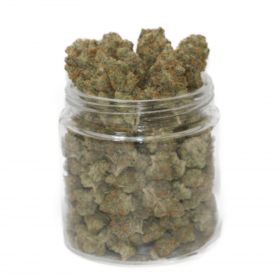
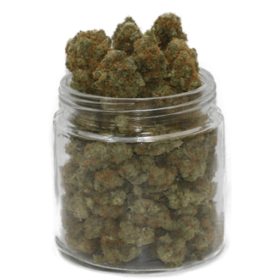
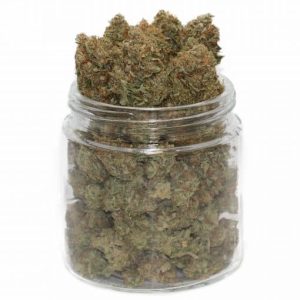
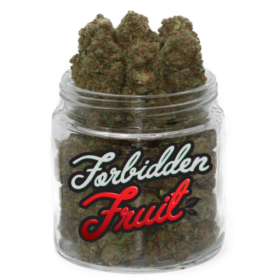
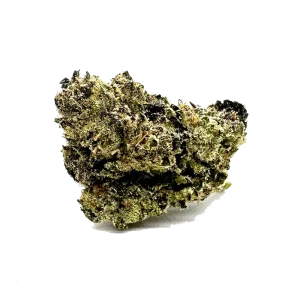
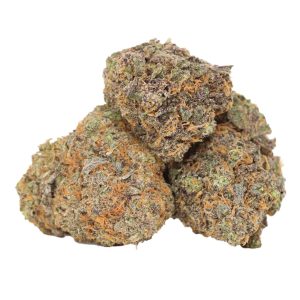
- Denser buds compared to sativa strains.
- Effects:
- Relaxing and calming.
- Often used for stress relief, pain management, and sleep aid.
- Produces a “body high” that can make you feel couch-locked or deeply relaxed.
- Common Uses:
- Ideal for nighttime use due to its sedative properties.
- Helps with conditions like insomnia, chronic pain, muscle spasms, and anxiety.
- Flavors and Aromas:
- Earthy, musky, or sweet flavors.
- Often described as having a “skunky” or pungent smell.
- Growing Characteristics:
- Shorter flowering time compared to sativa (around 8-12 weeks).
- Thrives in cooler climates and is often grown indoors.
Popular Indica Strains:
- Northern Lights
- Granddaddy Purple
- Blueberry
- OG Kush (a hybrid but leans indica)
- Afghan Kush
Indica vs. Sativa:
- Indica: Relaxing, sedative, body-focused effects. Best for nighttime use.
- Sativa: Uplifting, energizing, cerebral effects. Best for daytime use.
Hybrids:
Many modern cannabis strains are hybrids, combining indica and sativa traits to balance effects. For example, a strain might offer the relaxation of indica with the mental clarity of sativa.
If you’re considering using indica cannabis, start with a low dose, especially if you’re new to cannabis, to gauge its effects on your body. Always consult local laws and regulations regarding cannabis use.
1. Pain Relief
- Indica strains are effective for managing chronic pain, including:
- Arthritis
- Fibromyalgia
- Migraines
- Muscle spasms
- Neuropathic pain
- The high levels of CBD (cannabidiol) and THC (tetrahydrocannabinol) in many indica strains work together to reduce inflammation and alleviate pain.
2. Insomnia and Sleep Disorders
- Indica is known for its sedative effects, making it a popular choice for people struggling with:
- Insomnia
- Restless sleep
- Sleep apnea
- Strains high in myrcene (a terpene) are particularly effective for promoting deep relaxation and sleep.
3. Anxiety and Stress Relief
- Indica strains can help calm the mind and reduce symptoms of:
- Anxiety
- PTSD (Post-Traumatic Stress Disorder)
- Chronic stress
- The relaxing effects of indica can help users feel more grounded and at ease.
4. Muscle Spasms and Tremors
- Indica is often used to treat conditions involving muscle spasms or involuntary movements, such as:
- Multiple sclerosis (MS)
- Parkinson’s disease
- Epilepsy (in combination with high-CBD strains)
5. Appetite Stimulation
- Indica strains are known to increase appetite, which can be beneficial for individuals experiencing:
- Loss of appetite due to chemotherapy
- Eating disorders
- HIV/AIDS-related wasting syndrome
6. Nausea and Vomiting
- Indica can help reduce nausea and vomiting, particularly in patients undergoing:
- Chemotherapy
- Radiation therapy
- Other treatments that cause gastrointestinal distress.
7. Inflammation
- The anti-inflammatory properties of indica strains can help with conditions like:
- Crohn’s disease
- Irritable bowel syndrome (IBS)
- Rheumatoid arthritis
8. Mood Disorders
- While sativa strains are often associated with uplifting effects, certain indica strains can help with mood regulation by promoting relaxation and reducing symptoms of:
- Depression
- Bipolar disorder
9. Glaucoma
- Indica can help reduce intraocular pressure, providing relief for individuals with glaucoma.
10. General Relaxation and Wellness
- For those dealing with chronic illness or fatigue, indica strains can provide a sense of calm and improve overall quality of life.
Popular Indica Strains for Medical Use:
- Northern Lights: Pain relief, insomnia, and stress.
- Granddaddy Purple: Pain, muscle spasms, and sleep.
- Blueberry: Anxiety, pain, and nausea.
- Afghan Kush: Chronic pain and insomnia.
- Purple Kush: Deep relaxation and pain relief.
Important Considerations:
- Dosage: Start with a low dose, especially if you’re new to cannabis, to avoid over-sedation or discomfort.
- Consult a Professional: Always consult a healthcare provider or medical cannabis specialist to determine the best strain and dosage for your condition.
- Legal Status: Ensure cannabis use is legal in your region and obtain it from a reputable source.
Indica strains are a powerful tool for managing a variety of medical conditions, but they should be used responsibly and in conjunction with professional medical advice.
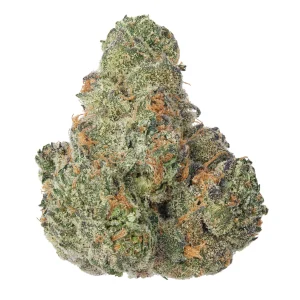
INDICA
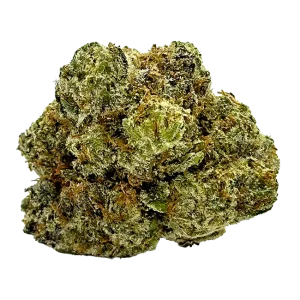
INDICA
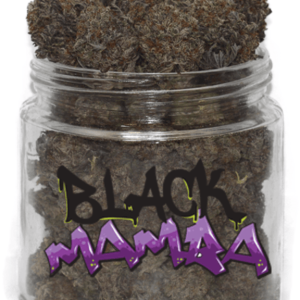
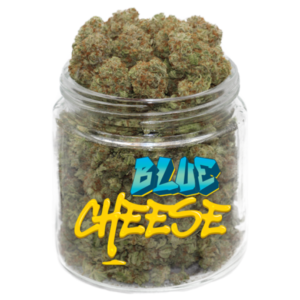
INDICA
INDICA
INDICA
INDICA
INDICA
INDICA