

PREMIUM WEED
How Does MDMA Work in the Brain?
Jul
How Does MDMA Work in the Brain?
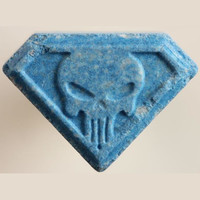
Buy Blue Punishers 300mg mdma, MDMA (3,4-methylenedioxymethamphetamine) is one of the most extensively studied psychoactive compounds in modern neuroscience, thanks in part to its recent role in clinical PTSD research.
Understanding how it acts on the brain helps explain both its distinctive effects and the risks associated with its use.
The Short Answer: A Massive Serotonin Flood
MDMA’s primary mechanism is triggering a large-scale release of serotonin, a neurotransmitter involved in mood, emotional processing, and social bonding. Buy Blue Punishers 300mg mdma
It does this by binding to and reversing the direction of the serotonin transporter (SERT) — the protein normally responsible for pulling serotonin back into neurons after it’s released. Buy Blue Punishers 300mg mdma
Instead of removing serotonin from the synapse, the transporter starts pumping it out, flooding brain regions with far more serotonin than would occur naturally.
This surge is the primary driver of MDMA’s characteristic emotional effects: heightened empathy, feelings of connection to others, emotional openness, and euphoria.
It Doesn’t Stop at Serotonin
While serotonin release is the dominant mechanism, MDMA also affects two other major neurotransmitter systems:
Dopamine. MDMA triggers dopamine release, contributing to feelings of pleasure, energy, and alertness — effects it shares to a lesser extent with classic stimulants like amphetamine. Buy Blue Punishers 300mg mdma
Norepinephrine.
Increased norepinephrine release drives the physical stimulant effects associated with MDMA use — increased heart rate, blood pressure, and alertness.
The combination of all three systems firing simultaneously is part of why MDMA produces a distinct profile compared to either a “pure” stimulant or a classic psychedelic.
The Role of Oxytocin
Research has also found that MDMA increases release of oxytocin, sometimes called the “bonding hormone,” which is normally associated with social attachment, trust, and closeness (it’s the same hormone released during childbirth and physical touch between close partners). Buy Blue Punishers 300mg mdma
Some researchers believe this oxytocin release — potentially triggered indirectly through MDMA’s action on serotonin receptors — plays a significant role in the drug’s characteristic feelings of trust and emotional closeness with others.
Why This Matters for PTSD Research
This specific combination of effects — reduced fear response, increased trust, and heightened emotional openness, all while remaining lucid and communicative — is why MDMA has drawn serious clinical interest as an adjunct to psychotherapy for post-traumatic stress disorder (PTSD). Buy Blue Punishers 300mg mdma
The theory researchers are testing is that MDMA may temporarily reduce activity in the amygdala (the brain’s fear-processing center)
while increasing connectivity between the amygdala and the prefrontal cortex, the region involved in rational thought and emotional regulation.
In theory, this combination could allow patients to revisit traumatic memories in therapy with reduced fear and defensiveness, potentially making the memories easier to process without becoming overwhelming.
Clinical trials involving MDMA-assisted therapy for PTSD have reported promising results, though as of now this remains an investigational treatment restricted to approved research settings under FDA oversight.
Why the Effects Fade — and the “Comedown”
MDMA’s intense effects are partly why they don’t last: flooding the brain with serotonin depletes the available supply faster than the body can naturally replenish it. Buy Blue Punishers 300mg mdma
This is part of the biological basis for the well-documented “comedown” some users experience in the days following use — low mood, fatigue, and difficulty concentrating — as serotonin levels temporarily run low.
Neurotoxicity Concerns
A significant body of research has examined whether MDMA use can damage serotonin-producing neurons over time. Some studies, particularly in animal models given high or repeated doses, have shown evidence of long-term changes to serotonin neurons. Buy Blue Punishers 300mg mdma
Research in humans has produced more mixed results, and scientists continue to study factors like dose, frequency of use, and individual differences in how significant this risk may be. This remains an active and evolving area of research.
The Bigger Picture
MDMA’s brain chemistry sits at an unusual intersection: it shares mechanisms with classic stimulants (dopamine and norepinephrine release) while also tapping into pathways more associated with emotional and social processing (serotonin and oxytocin). Buy Blue Punishers 300mg mdma
That combination is what makes it neurochemically distinct from other recreational or clinically studied substances — and why its effects, both therapeutic and risky, don’t map neatly onto any other single drug category.
