
PSYCHEDELICS
A Comprehensive Guide to Hawaiian Magic Mushrooms
Apr
Hawaiian magic mushrooms, with their vibrant history and captivating psychoactive properties, have long intrigued both locals and visitors alike. Where to buy magic mushrooms in the UK
These unique fungi, known for their striking beauty and potent effects, have become a focal point in conversations surrounding natural psychedelics and their potential therapeutic benefits. Where to buy magic mushrooms in the UK
In this comprehensive guide, we delve into the enchanting world of Hawaiian magic mushrooms, exploring their identification, psychoactive properties, legal status, and even tips for cultivating them at home.Buy DMT Online
Whether you’re a curious newcomer or an experienced mycophile, this guide aims to provide you with essential knowledge to navigate the fascinating realm of these mystical mushrooms safely and responsibly.
Join us as we uncover the secrets of Hawaiian magic mushrooms, from their physical characteristics to their place within Hawaiian culture and beyond. Where to buy magic mushrooms in the UK
Introduction to Hawaiian Magic Mushrooms
Hawaiian magic mushrooms, often referred to as “Hawaiian mushrooms” or “Hawaiian Psilocybe,” primarily consist of the species Psilocybe cubensis, which is renowned for its psychoactive properties.
These mushrooms have garnered attention not only for their unique effects but also for their rich cultural significance within Hawaiian traditions. Where to buy magic mushrooms in the UK
Historically, the indigenous peoples of Hawaii have utilized various plants and fungi in their spiritual practices, and the introduction of magic mushrooms has added a modern layer to this ancient tapestry.
The allure of Hawaiian magic mushrooms extends beyond their psychedelic experiences. They are often associated with feelings of euphoria, deep introspection, and a profound connection to nature.
Many users report transformative experiences that can foster personal growth, creativity, and emotional healing. However, it is essential to approach these mushrooms with respect and caution, as their potency can lead to overwhelming experiences for those unprepared for the journey. Where to buy magic mushrooms in the UK
In this guide, we will explore various facets of Hawaiian magic mushrooms, starting with their identification to ensure safe foraging, understanding their psychoactive properties, discussing the legal landscape in Hawaii, and providing insights into responsible cultivation practices. Where to buy magic mushrooms in the UK
Whether you are seeking to deepen your understanding of these fascinating fungi or considering their use for therapeutic purposes, this comprehensive guide will serve as your roadmap through the captivating world of Hawaiian magic mushrooms. Where to buy magic mushrooms in the UK
Join us as we embark on this journey of discovery, exploring both the wonders and responsibilities that come with engaging with these extraordinary organisms.
Identifying Hawaiian Magic Mushrooms
Identifying Hawaiian magic mushrooms, particularly the Psilocybe cubensis species, requires a keen eye and a basic understanding of their physical characteristics, habitat, and growth conditions.
As with any wild mushroom, accurate identification is crucial to avoid potential confusion with toxic species. This section will provide a detailed overview to help you confidently identify Hawaiian magic mushrooms in their natural environment. Where to buy magic mushrooms in the UK
Physical Characteristics
Hawaiian magic mushrooms possess several distinctive features that set them apart from other fungi:
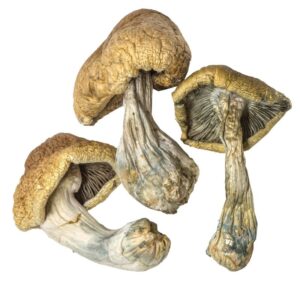
- Cap: The cap of the Psilocybe cubensis is typically convex to bell-shaped when young, expanding to a more flat shape as it matures. The cap generally ranges from 1 to 5 centimeters in diameter and exhibits a golden to caramel brown color, often with a lighter center. A notable characteristic is the presence of a wavy margin on the cap, especially when it is moist.
- Gills: The gills are closely spaced and free from the cap, transitioning from a pale yellow to a darker purple-brown as the mushrooms mature. They are thin and can appear somewhat mottled, which adds to the identification process.
- Stipe (Stem): The stem, or stipe, of Hawaiian magic mushrooms is typically cylindrical, measuring between 4 and 15 centimeters in height. It is often white to pale yellowish and can exhibit a bluish tint when bruised or handled. This blue bruising is a key identification feature of Psilocybe species.
- Spore Print: A spore print is an essential tool for identifying magic mushrooms. To obtain one, place the cap gill-side down on a white sheet of paper for several hours. Hawaiian magic mushrooms will produce a dark purple-brown spore print, which can help differentiate them from non-psychoactive species.
Habitat and Growth Conditions
Hawaiian magic mushrooms thrive in specific environmental conditions. Understanding where to find them is just as important as knowing how to identify them.
- Climate: Hawaii’s tropical climate provides an ideal environment for the growth of Psilocybe cubensis. These mushrooms flourish in warm temperatures, typically between 70°F to 90°F (21°C to 32°C), with high humidity levels.
- Substrate: Hawaiian magic mushrooms commonly grow in nutrient-rich substrates. They are often found in pastures, particularly in areas where cattle graze, as they thrive on the dung of herbivorous animals. They can also be found in decaying organic matter, such as mulch or compost.
- Seasonality: The best time to hunt for Hawaiian magic mushrooms is during the wet season, particularly from late summer to early winter. Rainfall contributes to the humidity levels necessary for mushroom growth, making these months the prime time for foraging. Where to buy magic mushrooms in the UK
Common Lookalikes
While identifying Hawaiian magic mushrooms, it is essential to be aware of potential lookalikes, some of which can be toxic. Here are a few species to watch out for:
- Gymnopilus underwoodii: This mushroom can resemble Psilocybe cubensis but usually has a more orange-brown cap. It is also larger and has a different spore print color, which tends to be rusty brown.
- Panaeolus spp.: Some species in the Panaeolus genus can be mistaken for magic mushrooms but generally lack the potent psychoactive compounds. They often have a more slender appearance and different spore print colors.
- Cortinarius spp.: Although these mushrooms are not psychoactive, they can be visually similar to magic mushrooms. They often have a more robust stem and a web-like veil, which sets them apart from Psilocybe species.
To safely enjoy the experience of Hawaiian magic mushrooms, accurate identification is paramount. It is recommended to consult field guides, join local foraging groups, or seek guidance from experienced foragers when venturing into the world of mushroom hunting. Where to buy magic mushrooms in the UK
Understanding these key aspects of Hawaiian magic mushrooms will not only enhance your foraging skills but also deepen your appreciation of these remarkable fungi.
Psychoactive Properties of Hawaiian Magic Mushrooms
Hawaiian magic mushrooms, particularly the Psilocybe cubensis variety, are renowned for their psychoactive properties, primarily due to the presence of compounds such as psilocybin and psilocin.
These substances interact with the brain’s serotonin receptors, leading to a range of profound psychological and sensory effects. Where to buy magic mushrooms in the UK
This section will delve into the psychoactive properties of Hawaiian magic mushrooms, exploring their active compounds, typical effects and experiences, and potential risks involved in their use.
Psychoactive Compounds
The primary psychoactive compounds found in Hawaiian magic mushrooms are:
- Psilocybin: A naturally occurring psychedelic compound that, when ingested, is converted into psilocin in the body. Psilocybin is responsible for the majority of the hallucinogenic effects experienced.
- Psilocin: The active form of psilocybin, which directly interacts with serotonin receptors in the brain. This interaction leads to altered perceptions, mood changes, and cognitive shifts.
- Other Compounds: While psilocybin and psilocin are the most studied, Hawaiian magic mushrooms also contain small amounts of other alkaloids, including baeocystin and norbaeocystin, which may contribute to the overall psychoactive experience.
Typical Effects and Experiences
The effects of consuming Hawaiian magic mushrooms can vary widely based on factors such as dosage, individual physiology, and the setting in which they are consumed. Here are some common effects reported by users:
- Visual and Auditory Hallucinations: Many users experience vivid visual distortions, including enhanced colors, patterns, or trails. Auditory perceptions may also be altered, leading to a heightened appreciation of music or sounds in the environment. Where to buy magic mushrooms in the UK
- Altered Sense of Time: Time distortion is a common effect, with users often reporting that time seems to slow down or speed up dramatically.
- Euphoria and Increased Emotional Sensitivity: Users frequently report feelings of euphoria, interconnectedness with nature, and a profound sense of emotional release. This can lead to a deep introspective experience, where individuals gain insights about their lives or relationships.
- Mystical Experiences: Some individuals describe their experiences as spiritual or mystical, often feeling a connection to a higher power or the universe. These experiences can be transformative and may lead to lasting changes in perspective.
- Potential Negative Effects: Not everyone has a positive experience. Some users may encounter anxiety, paranoia, or confusion, particularly in unfamiliar settings or when consuming high doses. It is crucial to approach the use of magic mushrooms with mindfulness and caution.
Potential Risks and Safety Considerations
While Hawaiian magic mushrooms can offer profound and transformative experiences, they also come with inherent risks. It is essential to be aware of these considerations to ensure a safe and responsible journey:
- Psychological Risks: For individuals with a history of mental health disorders, consuming magic mushrooms can exacerbate underlying issues or trigger episodes of anxiety or psychosis. It is advisable for those with such histories to avoid using psychedelic substances.
- Set and Setting: The mindset (set) and physical environment (setting) play a significant role in shaping the psychedelic experience. A supportive and comfortable environment, along with a positive mental state, can help foster beneficial experiences. Conversely, an uncomfortable or chaotic setting can lead to distressing experiences. Where to buy magic mushrooms in the UK
- Legal Risks: The legal status of magic mushrooms varies by location. In Hawaii, while there is a growing movement towards legalization and decriminalization, psilocybin remains illegal under federal law. Those considering the use of Hawaiian magic mushrooms should stay informed about local laws and regulations.
- Dosage and Potency: The potency of Hawaiian magic mushrooms can vary significantly, even within the same species. For beginners, starting with a low dose is crucial to gauge individual sensitivity and avoid overwhelming experiences.
By understanding the psychoactive properties of Hawaiian magic mushrooms, individuals can better prepare for their experiences and make informed decisions about their use.
Engaging with these mushrooms responsibly can lead to enriching, transformative experiences while minimizing potential risks. As always, knowledge and preparation are key to navigating the fascinating world of psychedelics.
Legal Status and Ethical Considerations
The legal status of Hawaiian magic mushrooms, particularly Psilocybe cubensis, is a complex and evolving issue, intertwined with broader discussions about drug policy, mental health, and spiritual practices.
This section aims to clarify the legal landscape in Hawaii and explore the ethical considerations surrounding the use and foraging of magic mushrooms.
Legal Status of Magic Mushrooms in Hawaii
As of October 2023, the use, possession, and distribution of psilocybin mushrooms remain illegal under both federal and state laws. Where to buy magic mushrooms in the UK
Psilocybin is classified as a Schedule I controlled substance in the United States, meaning it is considered to have a high potential for abuse and no accepted medical use. Where to buy magic mushrooms in the UK
However, Hawaii has seen a growing movement advocating for the decriminalization and legalization of psilocybin mushrooms, similar to trends in other states across the country.
- Local Initiatives: In recent years, several cities in Hawaii have explored initiatives to decriminalize psilocybin mushrooms. For example, in 2021, the city of Honolulu passed a resolution to study the effects of psilocybin and the potential benefits of legalizing its therapeutic use. While these discussions are promising, it is essential to stay informed about local laws, as they continue to evolve.
- Federal Perspective: On a federal level, the Drug Enforcement Administration (DEA) maintains its classification of psilocybin as a Schedule I substance. However, recent research into the therapeutic benefits of psilocybin for mental health conditions has sparked interest in potential regulatory changes. The FDA has granted “breakthrough therapy” designation for certain psilocybin studies, indicating a recognition of its potential therapeutic benefits.
Ethical Foraging Practices
In addition to the legal considerations, ethical foraging practices play a crucial role in the responsible use of Hawaiian magic mushrooms. Engaging with nature and foraging for wild mushrooms can be a rewarding experience, but it is essential to do so with respect and mindfulness. Here are some key ethical principles to consider:
- Respect for Nature: When foraging for magic mushrooms, prioritize sustainable practices that minimize harm to the ecosystem. Avoid overharvesting, which can disrupt local populations of fungi and impact the broader environment. Always leave some mushrooms behind to allow for natural reproduction.
- Cultural Sensitivity: Understanding the cultural significance of mushrooms in Hawaiian traditions is essential. Hawaiian culture has a rich history of using plants and fungi for spiritual and medicinal purposes. When engaging with magic mushrooms, be respectful of their place within indigenous practices and avoid appropriating or commercializing these traditions without proper understanding and respect.
- Educating Others: Sharing knowledge about responsible foraging and the potential effects of magic mushrooms can foster a culture of safety and respect. Encourage others to educate themselves on the legal landscape and the importance of ethical foraging.
Possible Therapeutic Uses
As discussions around the legal status of psilocybin mushrooms continue, interest in their potential therapeutic uses has gained momentum. Research has increasingly highlighted the benefits of psilocybin in treating various mental health conditions, including:
- Depression and Anxiety: Clinical trials have shown promising results in using psilocybin to alleviate symptoms of depression and anxiety, particularly in individuals who have not responded to traditional treatments.
- Post-Traumatic Stress Disorder (PTSD): Emerging studies suggest that psilocybin can help individuals process traumatic experiences and reduce symptoms associated with PTSD.
- Substance Use Disorders: Some research indicates that psilocybin may assist individuals in overcoming addiction by fostering new perspectives and encouraging behavioral changes.
While the therapeutic potential of psilocybin is exciting, it is essential to approach these findings with caution. Further research is necessary to fully understand the implications, appropriate dosages, and long-term effects of psilocybin use in therapeutic contexts. Where to buy magic mushrooms in the UK
In conclusion, understanding the legal status and ethical considerations surrounding Hawaiian magic mushrooms is crucial for responsible engagement with these unique fungi. Where to buy magic mushrooms in the UK
As the landscape continues to evolve, staying informed about local laws and practicing ethical foraging can help ensure that the use of magic mushrooms is safe, respectful, and aligned with both personal and cultural values.
Cultivating Hawaiian Magic Mushrooms at Home
Cultivating Hawaiian magic mushrooms at home can be a rewarding endeavor for those interested in mycology and the psychedelic experience. Where to buy magic mushrooms in the UK
However, it is important to note that the cultivation of psilocybin mushrooms is illegal in many areas, including under federal law in the United States. Where to buy magic mushrooms in the UK
This section covers the materials needed, the cultivation process, and tips for harvesting and storing your homegrown Hawaiian magic mushrooms, emphasizing the importance of legality and ethical considerations throughout the process.
Materials Needed
Before embarking on your cultivation journey, it is essential to gather the necessary materials. Here’s a list of items you will need:
- Mushroom Spores: The first step is to acquire spores of Psilocybe cubensis. Spores can be obtained from reputable spore vendors who specialize in psilocybin mushroom cultivation. Note that in many jurisdictions, purchasing spores is legal as long as they are not germinated.
- Growing Medium: Substrates such as brown rice flour, vermiculite, and water are commonly used in the cultivation of magic mushrooms. This combination serves as the nutrient-rich base for the mushrooms to grow.
- Containers: You will need sterile containers, such as mason jars, for inoculating the substrate. These should have breathable lids or holes covered with micropore tape to allow for gas exchange.
- Pressure Cooker: A pressure cooker is essential for sterilizing your substrate and containers to eliminate any potential contaminants before inoculation.
- Inoculation Tools: A sterile syringe for injecting the spore solution into the substrate is necessary. Ensure that all tools are properly sterilized to minimize the risk of contamination.
- Growth Chamber: A suitable environment for your mushrooms to grow is vital. This can be a simple plastic tote or a dedicated grow tent that maintains high humidity and appropriate temperatures (around 70°F to 80°F, or 21°C to 27°C).
The Cultivation Process
The cultivation of Hawaiian magic mushrooms involves several key steps. Below is a simplified overview of the process:
- Prepare the Substrate: Mix brown rice flour, vermiculite, and water in the appropriate ratio (typically 2:1:1) to create a moist substrate. Fill your sterilized jars with this mixture, leaving some space at the top.
- Sterilization: Place the filled jars in a pressure cooker and sterilize at 15 PSI for about 60-90 minutes. This step is crucial for killing any unwanted microorganisms that could contaminate your grow.
- Inoculation: Once the jars have cooled, use a sterile syringe to inject the spore solution into the substrate. Make sure to do this in a clean environment to reduce the risk of contamination. Seal the jars with their lids.
- Incubation: Place the inoculated jars in a dark, warm environment (around 75°F to 80°F, or 24°C to 27°C) for 2 to 4 weeks. During this time, mycelium will begin to colonize the substrate. Look for white, fluffy growth—this indicates that the mycelium is thriving.
- Fruiting Conditions: Once the substrate is fully colonized, it’s time to introduce fruiting conditions. Move the jars to a cooler, well-lit area with higher humidity (around 85% to 95%). You can do this by misting the environment regularly or using a humidifier.
- Initiate Fruiting: After a few days of optimal conditions, you should start seeing small mushroom pins forming. Maintain humidity and ventilation to encourage healthy growth.
- Harvesting: When the caps of the mushrooms begin to flatten out and the veil underneath starts to break, it’s time to harvest. Use a sterilized knife or scissors to cut the mushrooms at the base. Avoid pulling them to prevent damaging the mycelium.
Harvesting and Storing
Once harvested, proper storage is essential to maintain the potency and quality of your Hawaiian magic mushrooms:
- Drying: To prevent spoilage, it’s best to dry your mushrooms. You can use a food dehydrator or place them on a mesh screen in a well-ventilated area away from direct sunlight. Ensure they are fully dried until they are crisp and brittle.
- Storage: Store dried mushrooms in an airtight container in a cool, dark place. For longer shelf life, consider vacuum-sealing them or storing them in the freezer. Dried mushrooms can last for months to years if stored correctly. Where to buy magic mushrooms in the UK
In conclusion, cultivating Hawaiian magic mushrooms at home involves a detailed process that requires careful attention to cleanliness, environmental conditions, and legality. Where to buy magic mushrooms in the UK
While growing your own mushrooms can be a fulfilling experience, it is crucial to remain aware of the legal implications and to approach the cultivation process with respect for the fungi and the ecosystems they inhabit. Always prioritize safety, legality, and ethical considerations throughout your journey in mushroom cultivation.
Conclusion: The Enigmatic World of Hawaiian Magic Mushrooms
The world of Hawaiian magic mushrooms is a captivating blend of natural wonder, cultural significance, and modern exploration of the psychedelic experience. As we have explored in this guide, these remarkable fungi offer a wealth of knowledge and potential, from their unique psychoactive properties to the ethical considerations surrounding their use and cultivation. Where to buy magic mushrooms in the UK
Hawaiian magic mushrooms, particularly Psilocybe cubensis, are not merely a source of psychoactive experiences; they represent a deep connection to nature and the rich tapestry of Hawaiian culture. Where to buy magic mushrooms in the UK
Historically, mushrooms have been used in spiritual practices, and the modern resurgence of interest in their therapeutic potential adds layers to their significance.
As research continues to uncover the powerful effects of psilocybin on mental health, we may witness a shift in societal attitudes toward these mushrooms, leading to greater acceptance and understanding.
However, the journey into the world of Hawaiian magic mushrooms is not without its challenges. The legal landscape remains complex, and it is imperative for individuals to stay informed about the laws surrounding psilocybin in their area. Where to buy magic mushrooms in the UK
Ethical foraging practices and cultural sensitivity are crucial components of responsible engagement with these fungi, ensuring that we respect both the environment and the traditions that have shaped their use. Where to buy magic mushrooms in the UK
For those interested in cultivating Hawaiian magic mushrooms at home, the process can be both rewarding and enlightening, offering a hands-on opportunity to connect with nature.
Yet, it also comes with responsibilities, including adherence to local laws and ethical considerations regarding sustainability and respect for the ecosystem.
In conclusion, Hawaiian magic mushrooms invite us to explore the mysteries of consciousness, nature, and spirituality.
Whether you approach them for personal growth, therapeutic exploration, or cultural appreciation, it is essential to do so with an open mind, respect, and a commitment to safety.
As we navigate this enigmatic world, we can foster a deeper understanding of these fascinating fungi and their place within our lives. Where to buy magic mushrooms in the UK
Embrace the journey, and may it lead you to profound discoveries, whether within yourself or the natural world that surrounds you. Where to buy magic mushrooms in the UK
https://www.ultrapsychedelic.org/categories/dmt–ayahuasca/40

cheap herbal incense uk</a